The Importance of Service Dog Training
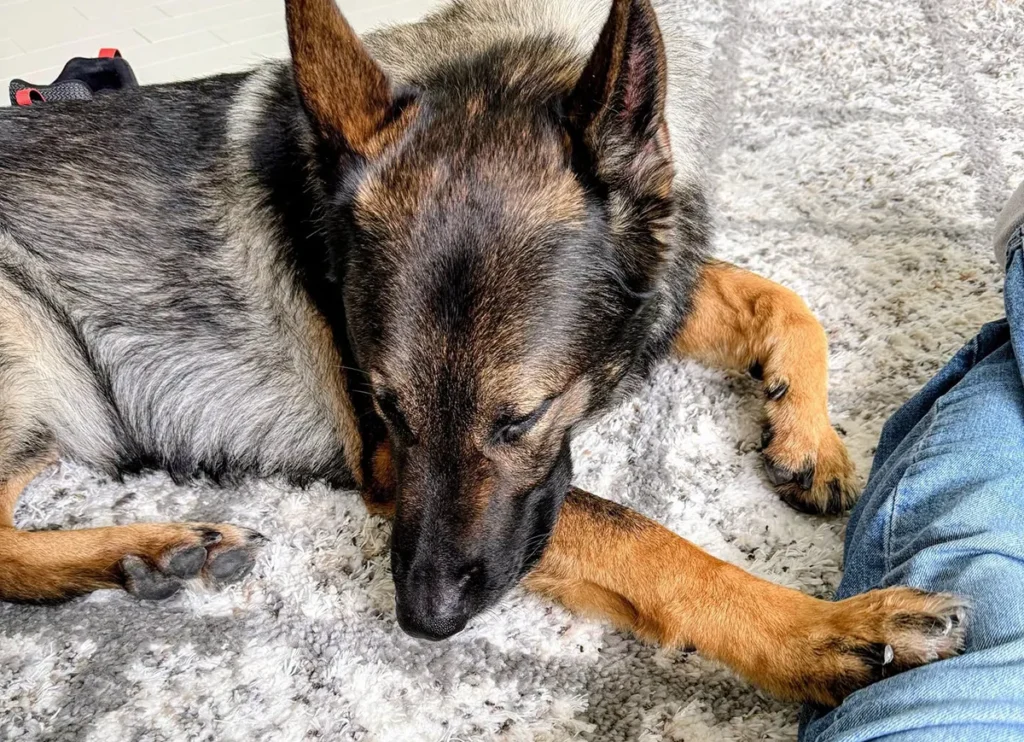
A service dog is much more than a well-behaved companion. A properly trained service dog is a working partner whose skills can provide greater independence, confidence, and safety to the person they are trained to assist. Behind every successful service dog is a significant investment of time, consistency, patience, and professional training.
Training Begins With a Strong Foundation
Successful service dog training starts long before advanced task work begins. Puppies and young dogs must first develop the foundation necessary to handle the responsibilities that will eventually be placed on them.
Early training focuses on skills such as obedience, engagement with the handler, neutrality around people and other animals, appropriate socialization, confidence in new environments, impulse control, and proper household behavior.
These foundational skills may seem simple, but they become the building blocks for everything the dog will be expected to accomplish later.

Reliability Matters
For a pet dog, an occasional mistake may simply be inconvenient. For a service dog, reliability can be much more important.
Service dogs may eventually be expected to perform trained tasks while surrounded by distractions, unfamiliar environments, crowds, noises, food, other animals, and changing situations.
That is why training cannot stop when a dog learns a skill in a controlled environment. The dog must learn to perform consistently in the real world.
Training should gradually progress from low-distraction environments to increasingly challenging situations. The goal isn’t simply to create a dog that knows what to do—it is to develop a dog that can reliably perform when its handler needs it.
Public Access Requires a Higher Standard
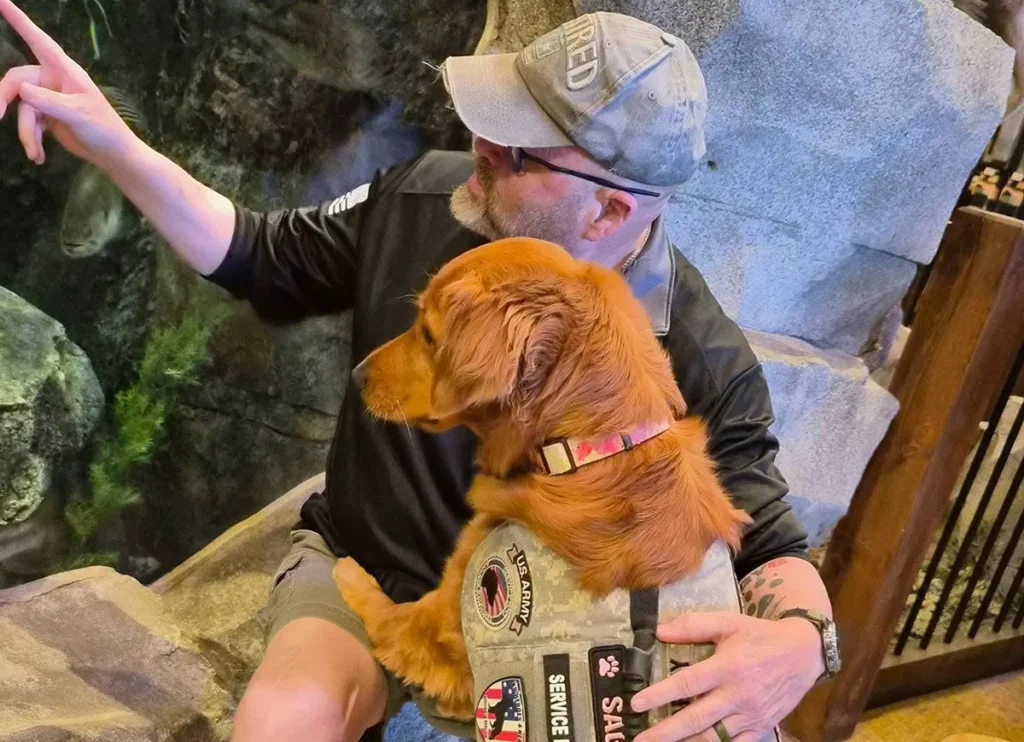
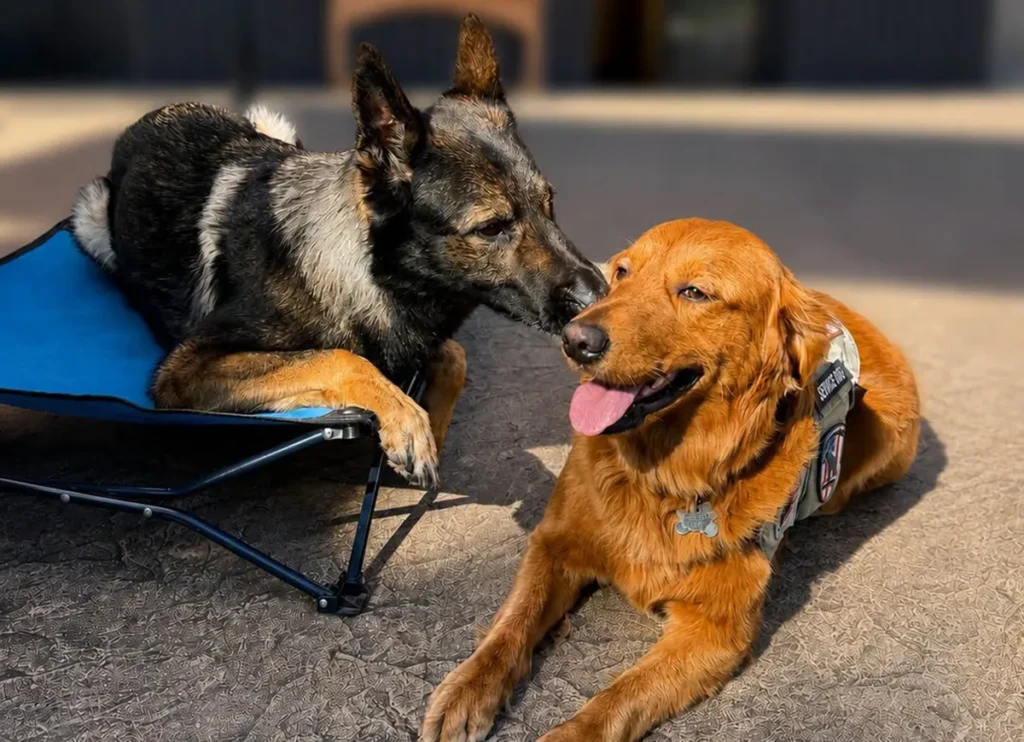
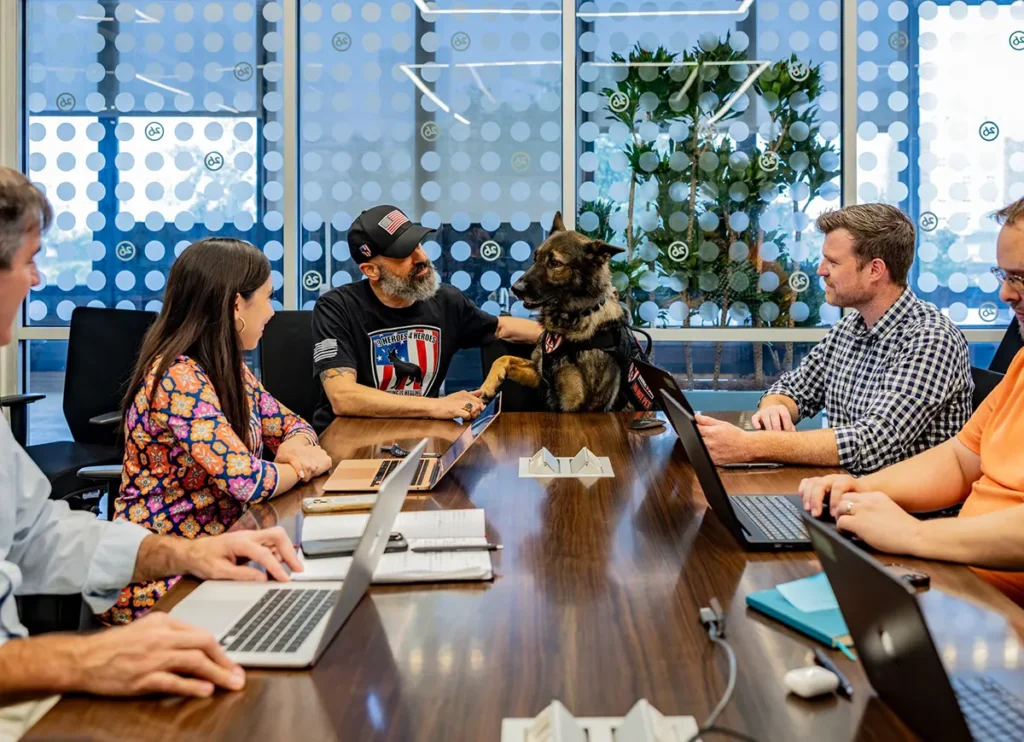
One of the greatest responsibilities associated with service dog training is preparing a dog to work appropriately in public.
A service dog should be able to remain under control and demonstrate appropriate behavior in locations such as stores, restaurants, medical facilities, workplaces, transportation settings, and other public environments.
This requires extensive exposure and training. Dogs must learn how to navigate crowds, settle quietly for extended periods, ignore food and environmental distractions, remain neutral around strangers and animals, and recover appropriately from unexpected situations.
Public access training is not about making a dog robotic. It is about developing confidence, stability, good decision-making, and dependable behavior.
Task Training Gives the Dog a Purpose
What ultimately separates a service dog from a highly trained pet is that the dog is individually trained to perform specific tasks that assist a person with a disability.
Those tasks will vary depending on the recipient’s needs. Regardless of the specific task, the same principle applies: the behavior must be trained carefully and performed reliably.
Task training should be developed systematically, practiced in different environments, and eventually incorporated naturally into the dog’s everyday work.
The Dog’s Welfare Matters Too
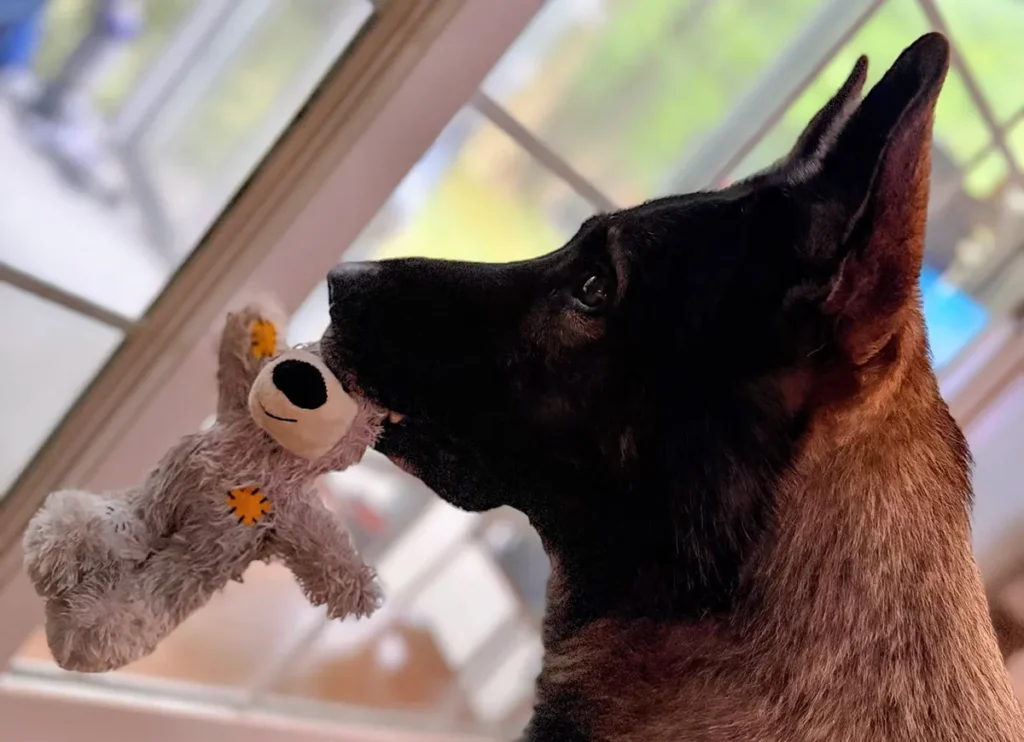
High standards should never come at the expense of the dog.
Successful service dog programs must consider the dog’s physical health, temperament, confidence, motivation, and overall quality of life throughout training.
Not every dog is suited for service work—and recognizing that is an important part of responsible training.
A dog that struggles significantly with environmental stress, fear, reactivity, health concerns, or the demands of public work may be better suited for another role. Making that determination is not a failure. It protects both the future recipient and the dog.
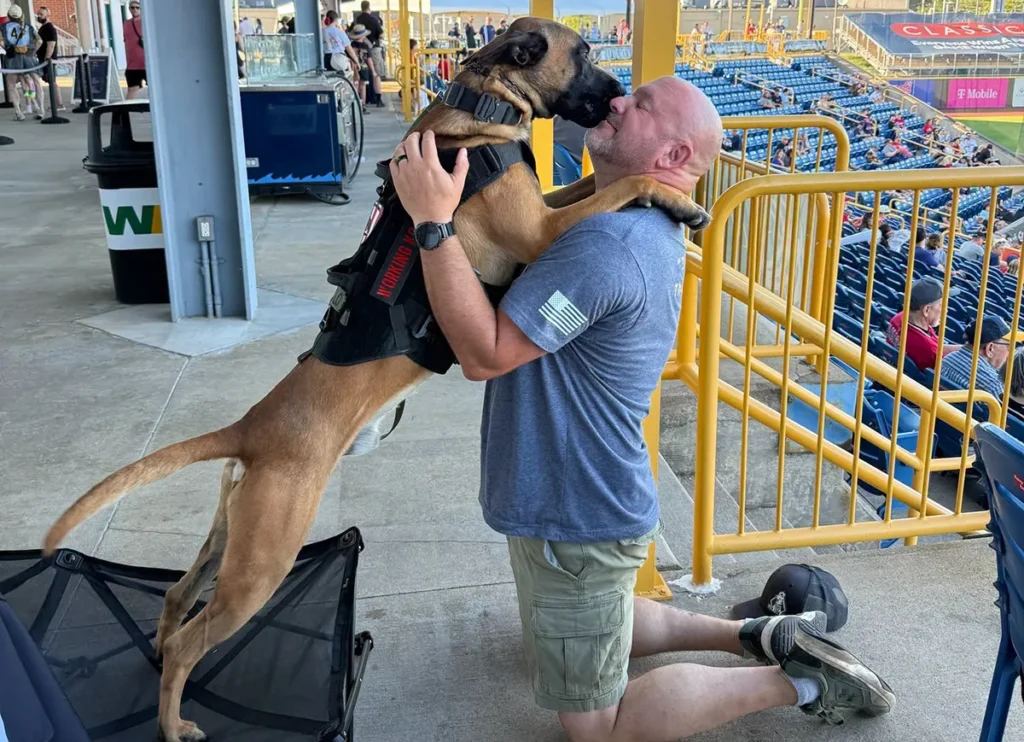
Training Is a Team Effort
Developing a service dog requires cooperation between trainers, program leadership, recipients, veterinary professionals, volunteers, and others involved in the dog’s development.
Clear training standards and consistent communication help ensure that everyone is working toward the same goal.
Once a service dog is paired with its recipient, education becomes equally important. Recipients must understand how to maintain the dog’s training, reinforce appropriate behavior, recognize potential problems, and continue developing the working relationship.
Graduation should not represent the end of training. It represents the beginning of a working partnership.
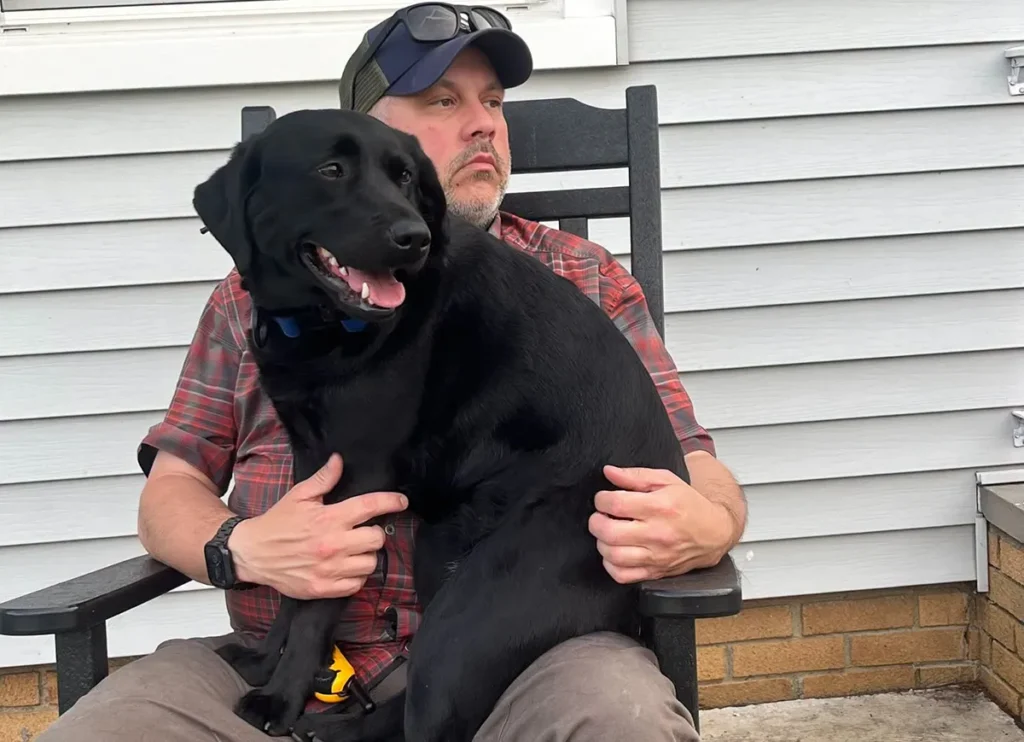
Our Commitment at K9 Heroes for Heroes
At K9 Heroes for Heroes (K9H4H), our goal is not simply to train dogs. Our responsibility is to develop dependable service dogs capable of making a meaningful difference in the lives of the individuals they serve.
That requires patience.
It requires consistency.
It requires accountability.
And most importantly, it requires maintaining high standards throughout every stage of the dog’s development.
Every training session, public outing, evaluation, and successful repetition contributes to the finished service dog. There are no shortcuts to creating a dependable working partner.
The investment we make in training today helps build the confidence, independence, and partnership that our recipients can depend on tomorrow.